
Every Square Yard
The history, ecology and wildlife of Dunbeath Strath
The Strath
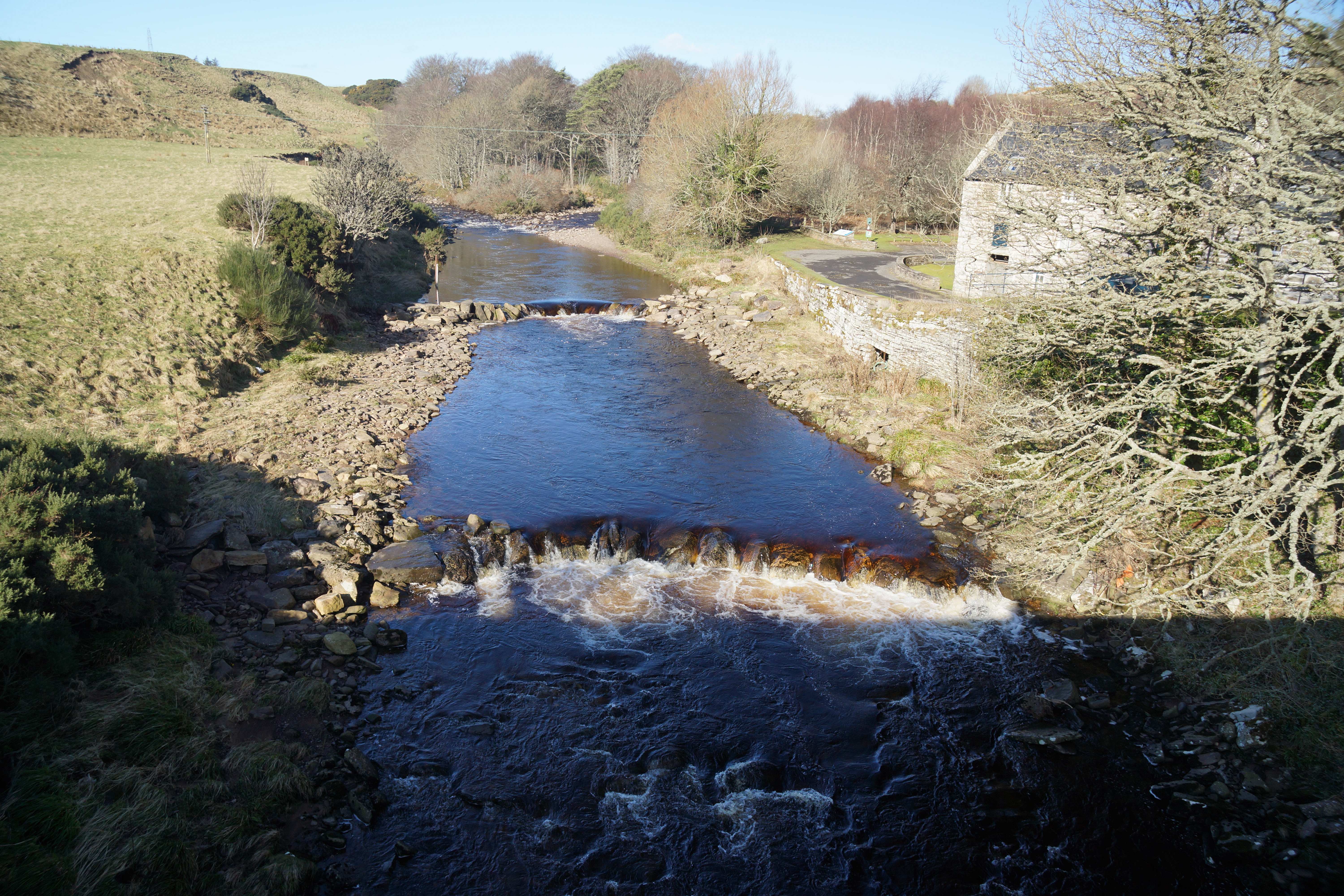
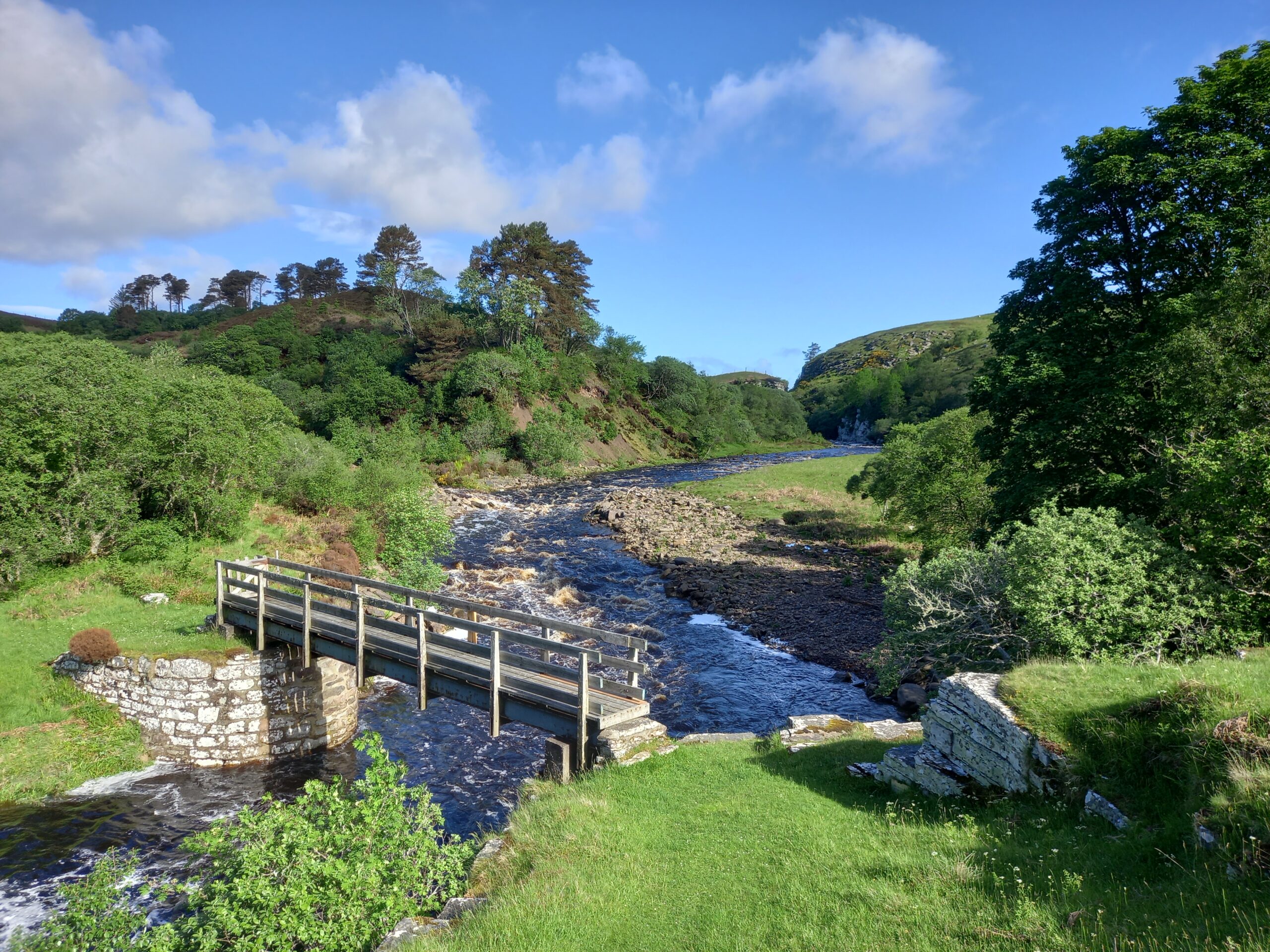
Dunbeath Strath is a hidden valley in the south-east corner of Caithness, carved by Dunbeath Water as it runs fourteen miles from its source at Loch Braigh na h-Aibhne down to the sea. It is one of the few places in Caithness where ancient woodland survives – a sheltered corridor of hazel, downy birch, rowan and bird cherry following the river inland, shielded from the wind-scoured plateau above.
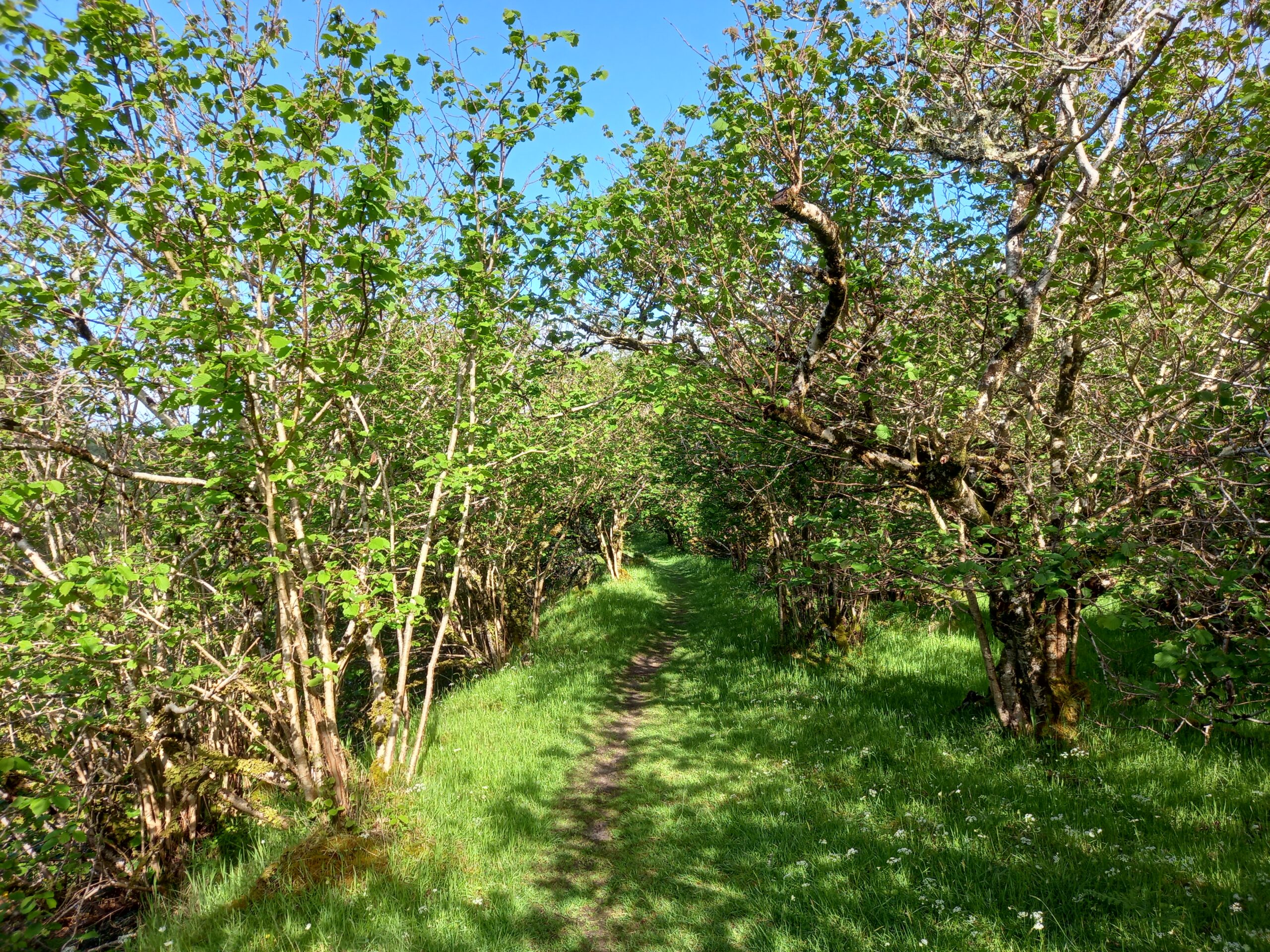
The name Dunbeath is thought to derive from the Gaelic for ford of the birches – and the birches are still here, their trunks decorated in lichen, their roots threading the riverbank as they have done for hundreds of years.
A Living Landscape
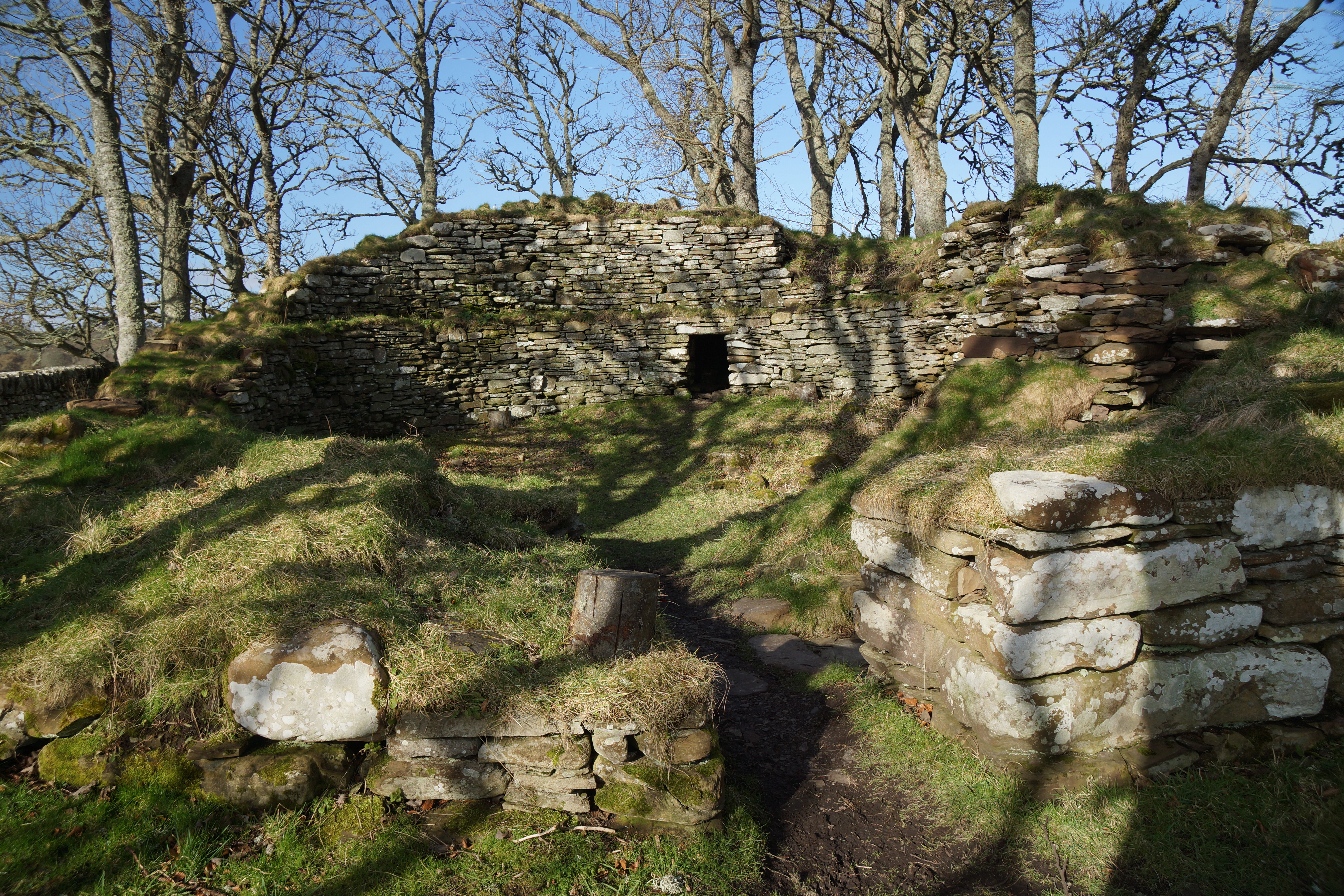
The strath is not wilderness in the untouched sense – people have lived and worked here since at least the Iron Age, and their traces are written into the landscape at every turn. A Thomas Telford bridge crosses the water at the foot of the strath, built between 1809 and 1813, and an old meal mill dating to around the 1830s still stands nearby, in use until 1950. Further up the path lies Chapel Hill, the site of a medieval monastery, and beyond that the best-preserved Iron Age broch in Caithness – its walls still standing, its doorway still passable.
This layering of human and natural history is what makes the strath remarkable. The woodland has grown up around and between centuries of habitation, and the wildlife has adapted alongside it.
The Woodland
The hazel and birch woodland along Dunbeath Water is ecologically significant – in Scotland, ancient woodland is defined as land that has been continuously wooded since at least 1750, and the wildlife communities, soils and structure of ancient woodlands have had the longest time to develop. The strath qualifies. The hazel trees support a large population of Tree Lungwort lichen – a pollution sensitive species rare in Caithness – and an indicator of ancient woods.
The woodland floor through spring and summer is rich in wildflowers, and the canopy provides cover for a wide variety of small birds. The river itself remains a spate river in the Highland tradition – fast-rising after rain, dropping quickly – and still carries Atlantic salmon upstream to spawning grounds.
Neil Gunn & the Strath
Neil M. Gunn, the Scottish novelist born in Dunbeath in 1891, returned to the strath again and again in his writing. His novel Highland River follows the Dunbeath Water from its source to the sea; The Silver Darlings evokes the herring fishing that once defined the village harbour. Of the strath itself, Gunn wrote in 1941:
“These small straths, like the Strath of Dunbeath, have this intimate beauty. In boyhood we get to know every square yard of it… Birches, hazel trees for nutting, pools with trout and an occasionally visible salmon, river-flats with the wind on the bracken… a wealth of wild flower and small bird life, the soaring hawk, the unexpected roe.”
The project
This site is a personal wildlife record – one morning walk at a time. It is not a formal ecological survey. The goal is to build a detailed, hyperlocal picture of what lives here and its ebb and flow through the seasons, and to make that record available to anyone who walks or loves this place.
If you’ve spotted something in the strath, please add to the record.